


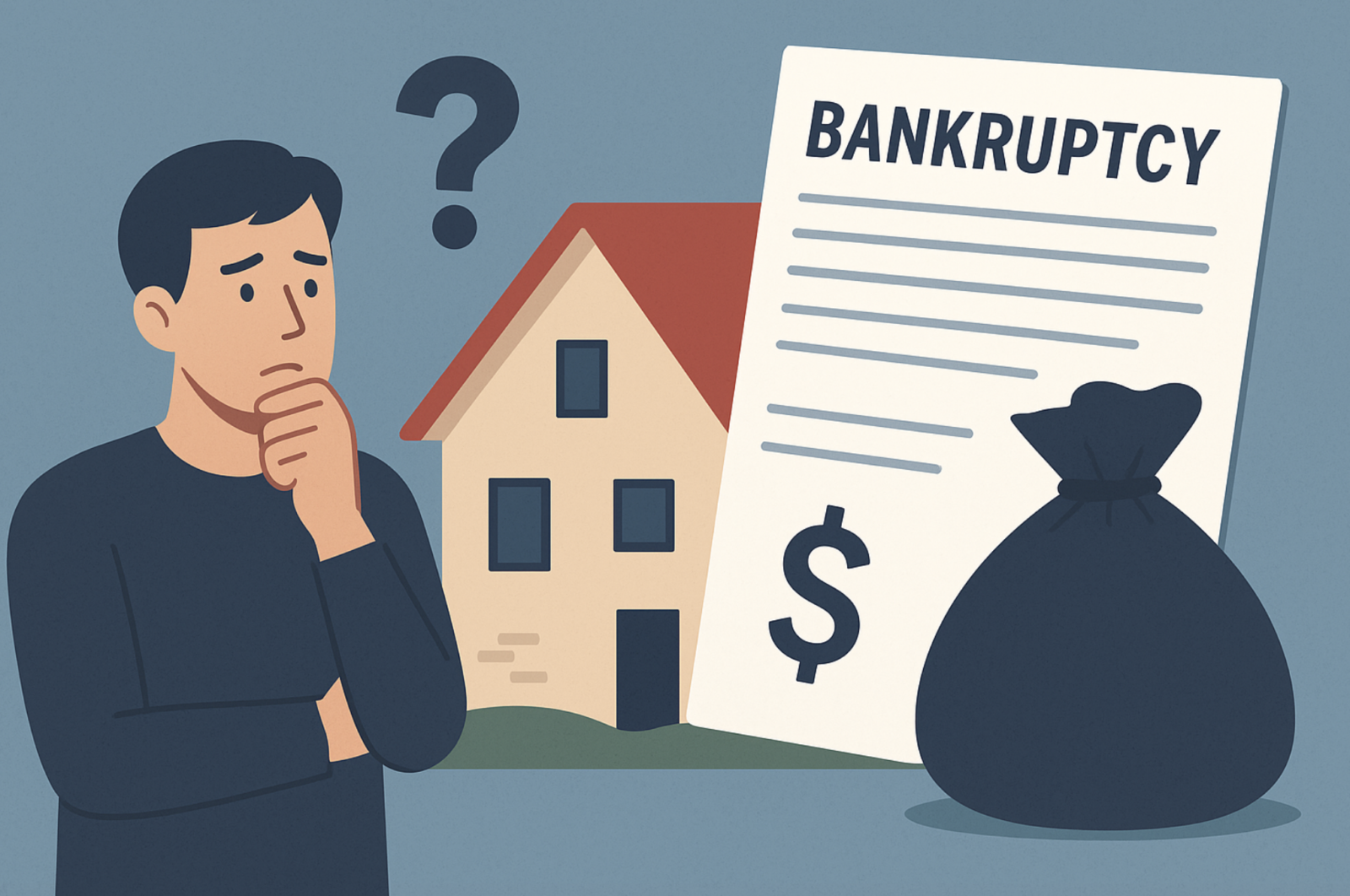
Personal Bankruptcy as a Means of Protecting the Debtor's Rights
In today’s economic climate, many citizens face financial difficulties: loans, debts, fines, and enforcement proceedings. When debts become unmanageable, the law provides for a civilized mechanism to resolve them—the insolvency (bankruptcy) proceedings for individuals.
This is not an “admission of defeat,” but a legitimate way to protect yourself from creditor pressure, get your debts in order, and start your financial life with a clean slate.
What Is Personal Bankruptcy?
Personal bankruptcy is a legal proceeding that allows a person to:
- restructure debts;
- write off some or all of the liabilities;
- suspend the accrual of fines and late fees;
- protect yourself from creditors.
❗ Important: The procedure is conducted exclusively through the courts and is subject to clear rules.
When to Consider Filing for Bankruptcy
This mechanism applies if:
- debts exceed financial capacity;
- inability to repay loans;
- pending enforcement proceedings;
- there is a risk of property loss;
- Creditors are putting pressure on them.
The sooner you start the procedure, the more opportunities you'll have to protect yourself.
Main Steps of the Procedure
🔴 1. Preparation
- analysis of financial condition;
- valuation of liabilities and assets;
- document preparation.
🔴 2. Filing a petition with the court
Insolvency proceedings are being initiated.
🔴 3. Initiation of proceedings
The court initiates the proceedings and imposes restrictions.
🔴 4. Debt Restructuring
A repayment plan may be approved.
🔴 5. Debt forgiveness
If the conditions are met, some or all of the debts may be written off.
What kinds of debts can be written off?
The procedure may address the following:
- bank loans;
- microloans;
- debts owed to individuals;
- fines and penalties;
- other financial liabilities.
❗ Certain types of debt (such as child support) are not eligible for forgiveness.
Advantages of Bankruptcy
The procedure makes it possible to:
- suspend enforcement proceedings;
- put an end to pressure from creditors;
- reduce the financial burden;
- legally settle debts;
- restore financial stability.
Risks and Limitations
At the same time, there are certain restrictions:
- judicial oversight;
- the need to disclose financial information;
- the possibility of selling the property;
- restrictions on new loans;
- Duration of the procedure.
That is exactly why it is important to assess the situation correctly.
Case Law: What the Courts Take Into Account
The courts are analyzing:
- the debtor's actual financial condition;
- good faith;
- availability of assets;
- the causes of debt;
- the completeness of the information provided.
If the debtor acts in good faith, the chances of a positive outcome increase significantly.
Common mistakes
The most common types of debtors are:
- are dragging their feet on a decision;
- hide assets;
- submit incomplete data;
- do not consult lawyers;
- are trying to “get around the system.”
This could result in a refusal to write off the debts.
Why Legal Assistance Is Important
The bankruptcy process is complex and requires:
- proper preparation of documents;
- strategy development;
- interaction with the court;
- process control;
- protecting the debtor's interests.
How it helps AXELLEGAL
AXELLEGAL provides legal support for individual bankruptcy proceedings and helps clients resolve their debt issues in accordance with the law.
The team provides:
- situation analysis;
- risk assessment;
- preparation of documents;
- representation in court;
- support for the procedure;
- achieving the best possible result.
This approach allows for the most effective use of the bankruptcy process.
Conclusion.
Bankruptcy for an individual is not a last resort, but an effective legal tool for protecting the debtor’s rights.
The main thing:
- Don't delay in making a decision;
- act within the law;
- prepare properly;
- seek professional help.
Address to AXELLEGAL allows you to safely go through the process, minimize risks, and have a real chance at financial recovery.
In difficult situations, it's important not to avoid the problem, but to resolve it professionally.