


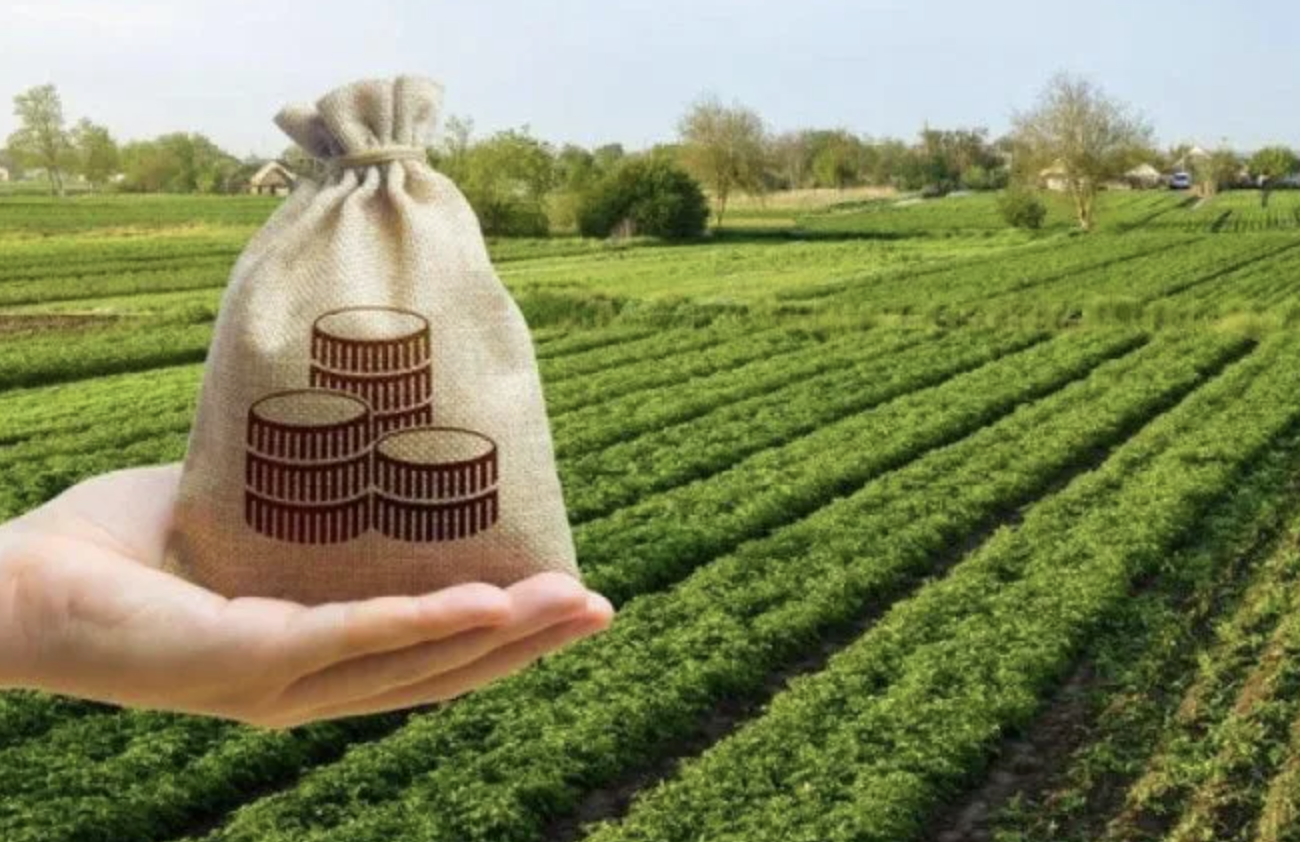
State support for agrarians in 2026: opportunities, programs and legal nuances
In 2026, Ukraine's agricultural sector remains one of the country's top priorities. That is why farmers, agricultural enterprises and agricultural producers can count on a wide range of support programs: from grants and subsidies to soft loans and compensation.
However, receiving such assistance is not only an opportunity, but also a responsibility. Incorrect paperwork or violation of conditions can lead to loss of funding and legal consequences.
Main areas of support for farmers
In 2026, state aid to the agricultural sector will cover several key areas:
🌾 Financial support
- subsidies per hectare of cultivated land;
- grants for the development of farms;
- compensation for machinery and equipment.
🚜 Concessional lending
- loans with state interest compensation;
- guarantees for agribusiness;
- financing of seasonal work.
🐄 Support for livestock farming
- subsidies for livestock;
- financing the development of farms;
- compensation for feed and equipment costs.
🌱 Investment programs
- support for product recycling;
- export development;
- modernization of production.
Who can get help
In 2026, support is available for:
- farms;
- small and medium-sized agricultural enterprises;
- agricultural cooperatives;
- of newly created businesses in agriculture;
- enterprises affected by the war.
Important: Each program has clear selection criteria.
Basic requirements
To get government support, you need to:
- be an officially registered business entity;
- not to have tax debts;
- confirm the right to use the land;
- provide financial statements;
- justify the use of funds.
What documents are required
Depending on the program, they are usually required:
- constituent documents;
- land lease agreements;
- financial statements;
- business plan;
- certificates from tax authorities;
- confirmation of activity.
Any mistake can lead to failure.
Main risks
Despite the obvious benefits, farmers face the following risks:
- rejection due to formal errors;
- the need for a refund;
- inspections by government agencies;
- penalties;
- blocking of funding.
Therefore, it is important to approach the process as carefully as possible.
How to get support correctly
🔴 Step 1. Selecting a program
Assess which form of assistance is most beneficial for the business.
🔴 Step 2. Legal verification
Ensure compliance with all requirements.
🔴 Step 3. Preparation of documents
Prepare a package of documents without errors.
🔴 Step 4. Submitting an application
Submit documents within the established deadlines.
🔴 Step 5. Control over the use of funds
Comply with the terms of the program after receiving funding.
Why legal support is important
Agricultural programs have complex conditions and high requirements for documents. Without professional support, businesses run the risk:
- lose the opportunity to receive funding;
- make mistakes;
- receive fines;
- face inspections.
How it helps AXELLEGAL
AXELLEGAL advises agricultural businesses on obtaining state support and protecting their interests.
The team provides:
- analysis of available programs;
- selection of optimal options;
- verification of documents;
- preparation of applications;
- legal support;
- protection in case of inspections.
This approach makes it possible to maximize the use of government support and avoid risks.
Typical mistakes of farmers
Most often entrepreneurs:
- submit documents without preparation;
- make legal mistakes;
- do not check compliance with the requirements;
- violate the terms of use of funds;
- fail to keep proper records.
This can lead to a loss of funding.
Conclusion.
State support for farmers in 2026 is a real tool for business development. It opens up opportunities for modernization, expansion, and efficiency.
The main thing:
- choose the right program;
- act systematically;
- comply with the requirements;
- engage professional help.
Address to AXELLEGAL allows you to get the most out of government programs, avoid mistakes and protect your business from legal risks.
In today's environment, a successful farmer is one who not only works on the land but also manages legal processes competently.